The older neighborhoods of St. Petersburg, Tampa Heights, Seminole Heights, Dunedin and downtown Clearwater have houses from the 1920s through the 1950s, and most of those houses have plaster on wood lath behind the paint. Anyone planning a gut of one of those walls should know it is a very different job from pulling drywall.
Test before you swing a hammer
Why plaster is heavier
A plaster wall is three coats of a dense gypsum-and-sand mix pressed into wood lath, often an inch thick or more. Square foot for square foot it weighs several times what half-inch drywall does. A single room of plaster can approach the included ton on its own, and a whole-house gut is a multi-load project by weight, not volume.
The mess
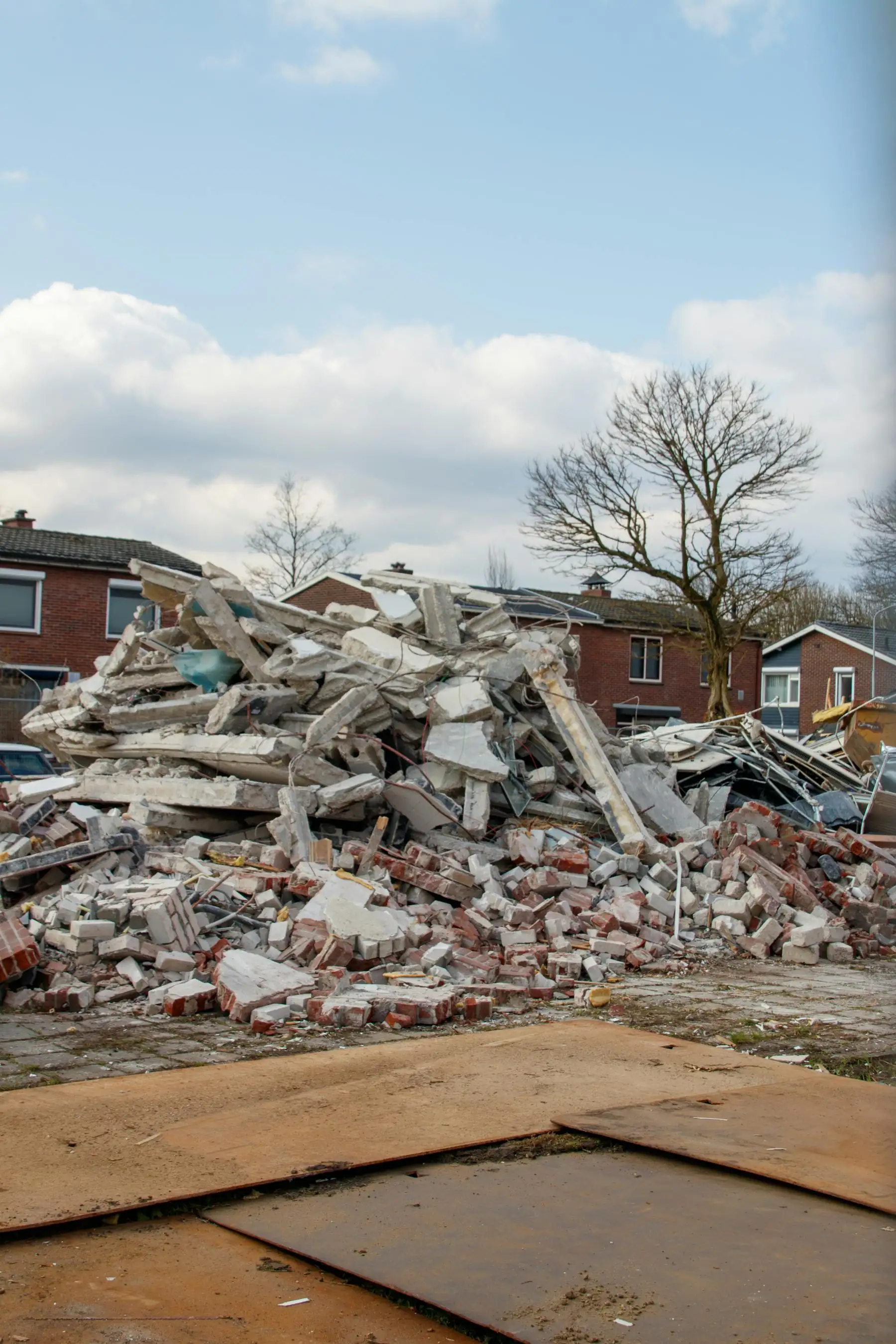
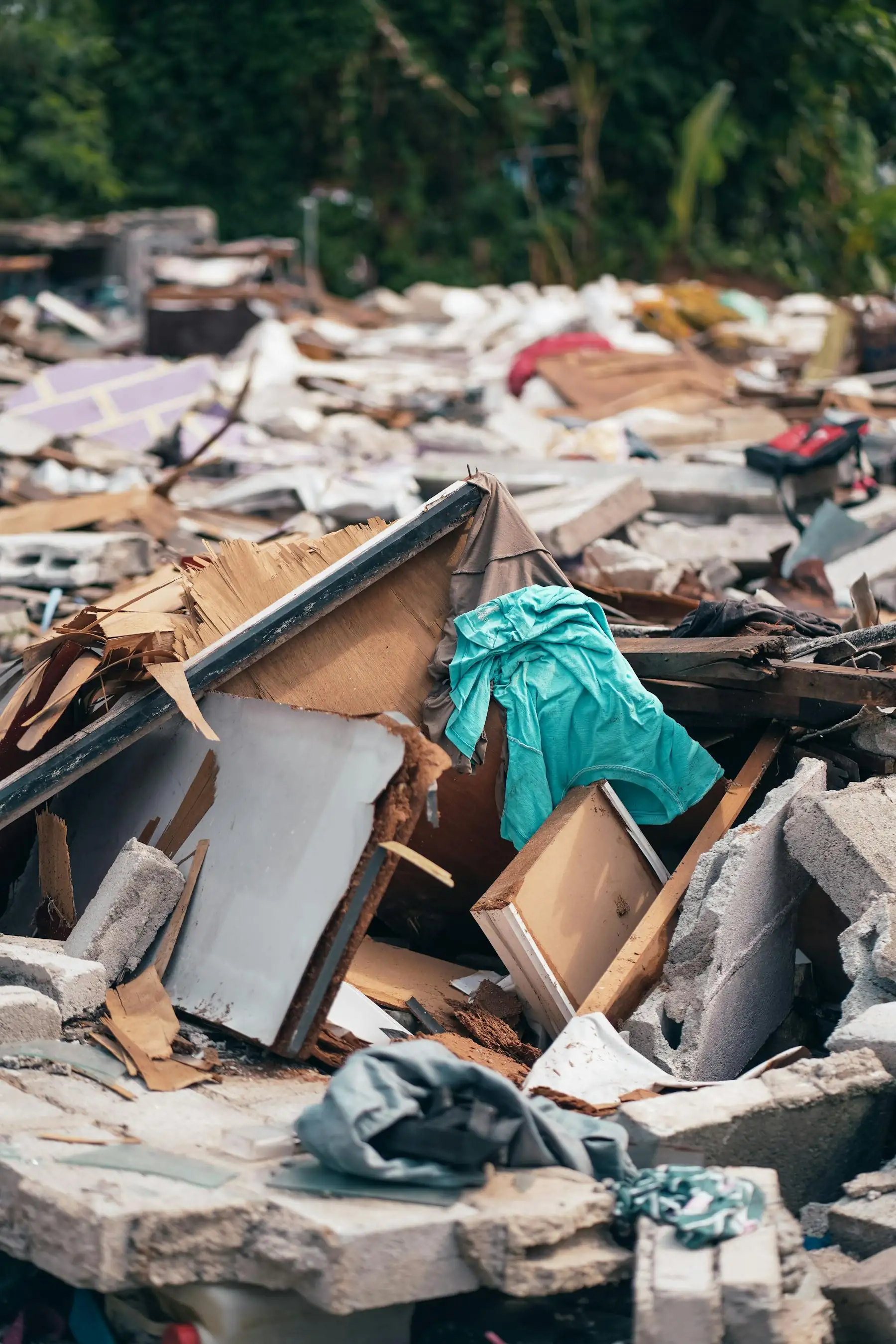
Plaster comes off in chunks and a great deal of fine dust. Lath is thin strips of wood held on with thousands of small nails. Between them they produce a floor covered in sharp, heavy rubble and splintered wood full of fasteners.
- 1Seal the room — plastic over doorways, HVAC registers taped off, the air handler switched off.
- 2Wear a proper respirator, eye protection, gloves and boots. Plaster dust is not something to breathe.
- 3Knock the plaster off first, into piles on the floor, and shovel it into buckets or contractor bags.
- 4Then pull the lath. It comes off in strips; pull nails or bend them over as you go.
- 5Bag the plaster, stack the lath, and carry both out on the shortest route.
Loading it
- Bagged plaster goes on the trailer floor, spread across it, never stacked in one corner
- Treat plaster like heavy material: keep it to the 5-yard heavy limit per load
- Lath stacks flat on top — light, but full of nails, so gloves stay on
- Old wiring and plumbing that comes out with the wall is scrap
Planning the loads
Tell us it's plaster when you book, along with the number of rooms. A kitchen and a bathroom is typically one heavy load. A whole house is several, and we'd rather plan them with you than have a trailer come in overweight.
Consider leaving it
If the plaster is sound, many renovators skim or drywall directly over it rather than tearing it out. It preserves the character and avoids the heaviest, dustiest part of the job entirely. Worth a conversation with your contractor before committing to a gut.
Keeping the dust out of the rest of the house
Plaster dust travels. A room demolished without containment will leave a film on every surface in the house within an hour, and it is fine enough to work into upholstery and duct. Containment is not optional on this job.
- Plastic sheeting taped over every doorway into the work area, with a zipper door if you're going in and out
- Registers and returns in the room taped over and the air handler switched off at the breaker for the duration
- A box fan in a window blowing out, so the room is at slightly lower pressure than the rest of the house
- Rubble bagged in the room, not carried loose through the hallway
- A final wipe-down and a HEPA vacuum before the plastic comes down
Lath nails are the other nuisance. Thousands of small cut nails end up on the floor and, eventually, in the driveway and in tires. Sweep with a magnet before the trailer leaves and again after. Our driver will thank you, and so will your neighbors.
Frequently asked questions
Does plaster count as heavy material?
For loading purposes, yes. Treat it like concrete or tile — low, spread out, and within the 5-yard heavy limit.
Can lath be reused?
Old-growth lath is sometimes wanted for woodworking, but it's full of nails and it's rarely worth the labor. Most of it goes in the trailer.
How do I know if the house has plaster?
Push a thumbtack into the wall. It goes into drywall easily and stops dead in plaster. Any house from before the 1950s almost certainly has it.
Book a 10-yard dump trailer
Free local delivery, free pickup, and a family-owned crew that shows up when we say we will. Serving Clearwater, Pinellas, Hillsborough and Pasco.