Every dump trailer has two limits: how much space it holds and how much weight it can legally and safely carry. Almost nobody hits both at once, and knowing which one your material will hit first is the single most useful thing to work out before you start loading.
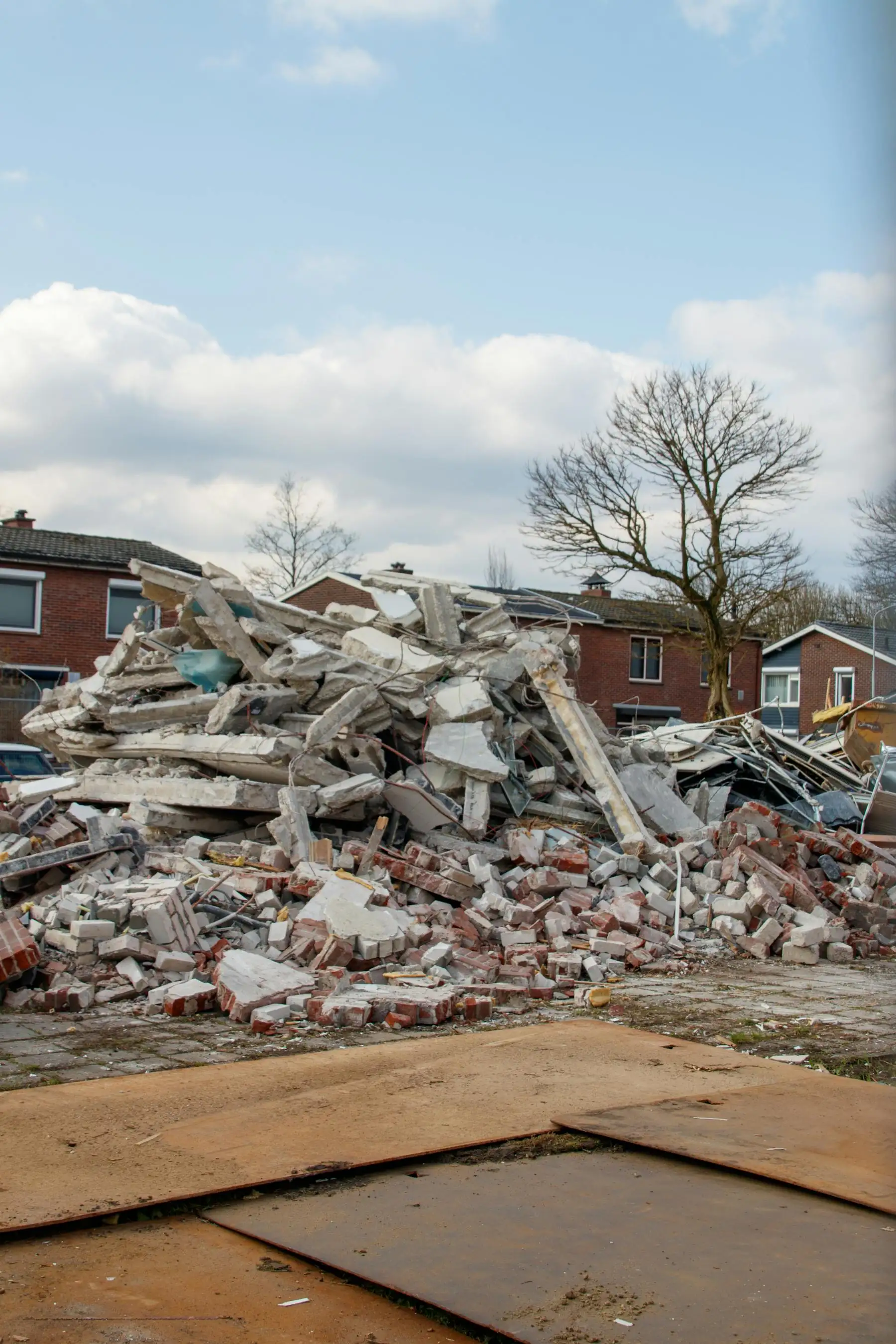
Materials that hit weight first
These fill the weight allowance long before they fill the box. On a load of any of them you will be looking at a trailer that appears half empty and is already at its limit.
- Concrete, block and brick
- Dirt, sand and fill
- Roofing shingles, which are far heavier per square than people expect
- Tile with a mortar bed underneath it
- Plaster and lath from older houses
- Terrazzo
- Anything saturated with water
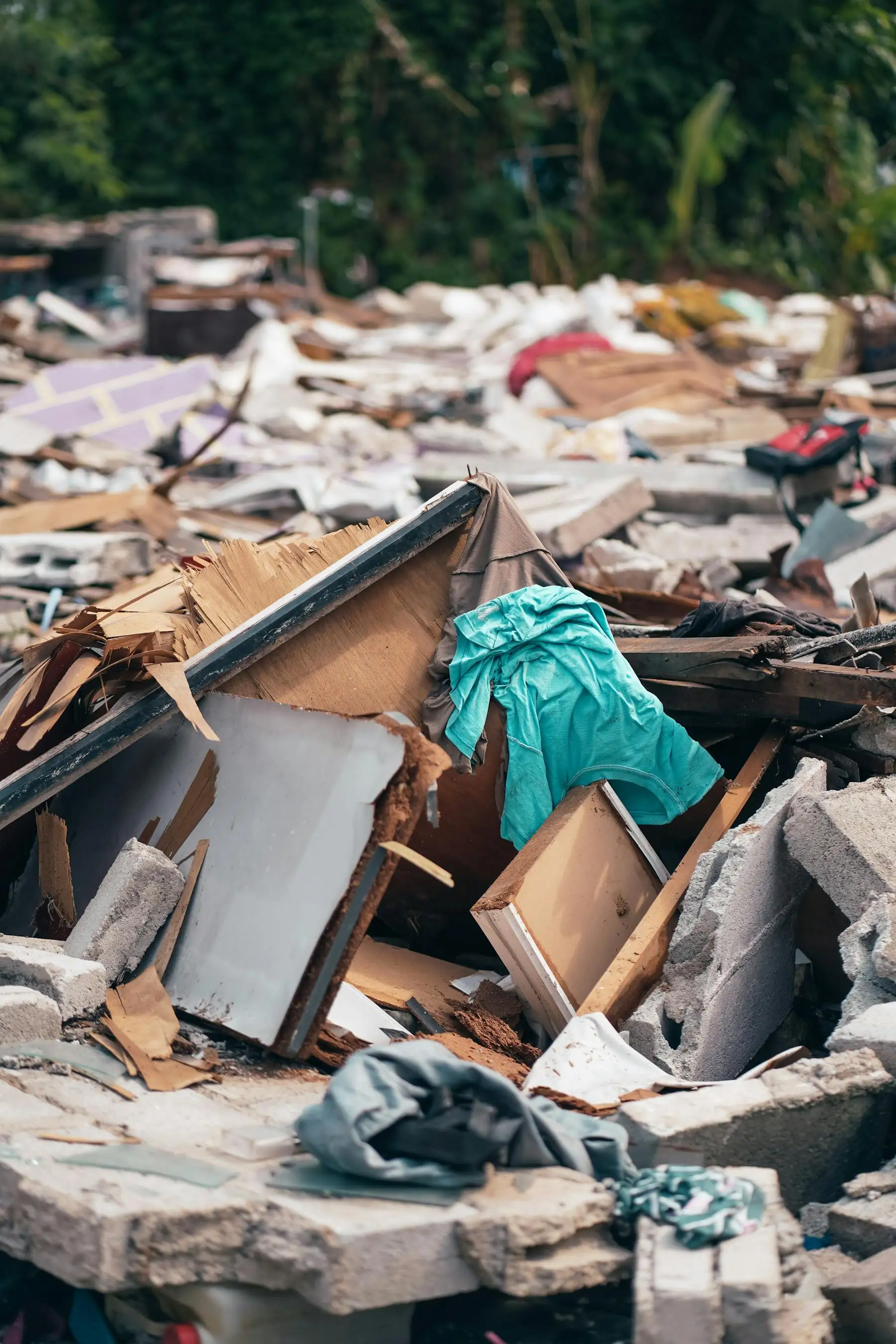
Materials that hit volume first
These take up room without approaching a weight limit. With these, the useful skill is breaking material down.
- Furniture and mattresses
- Cardboard, packaging and insulation
- Fencing and vinyl siding
- Yard waste, brush and palm fronds
- Cabinetry and hollow-core doors
- Decking boards, if they are dry
Mixed loads
Most real jobs are a mix, and the practical approach is to load the heavy material first and low, then fill the space above it with the bulky light material. That gets you closer to using both limits rather than wasting one.
Where a job has a large amount of both — a bathroom gut with tile and mortar bed plus all the cabinetry and fixtures — it is worth planning two loads from the start rather than discovering it halfway through.
Why the limit matters
An overloaded trailer is unsafe to tow, hard on the tow vehicle, and a problem at the scale. It is also the single most common thing that turns a straightforward rental into a difficult day. We would rather tell you honestly that a job needs two loads than have you find out with a full trailer that cannot legally move.
Book a 10-yard dump trailer
Free local delivery, free pickup, and a family-owned crew that shows up when we say we will. Serving Clearwater, Pinellas, Hillsborough and Pasco.