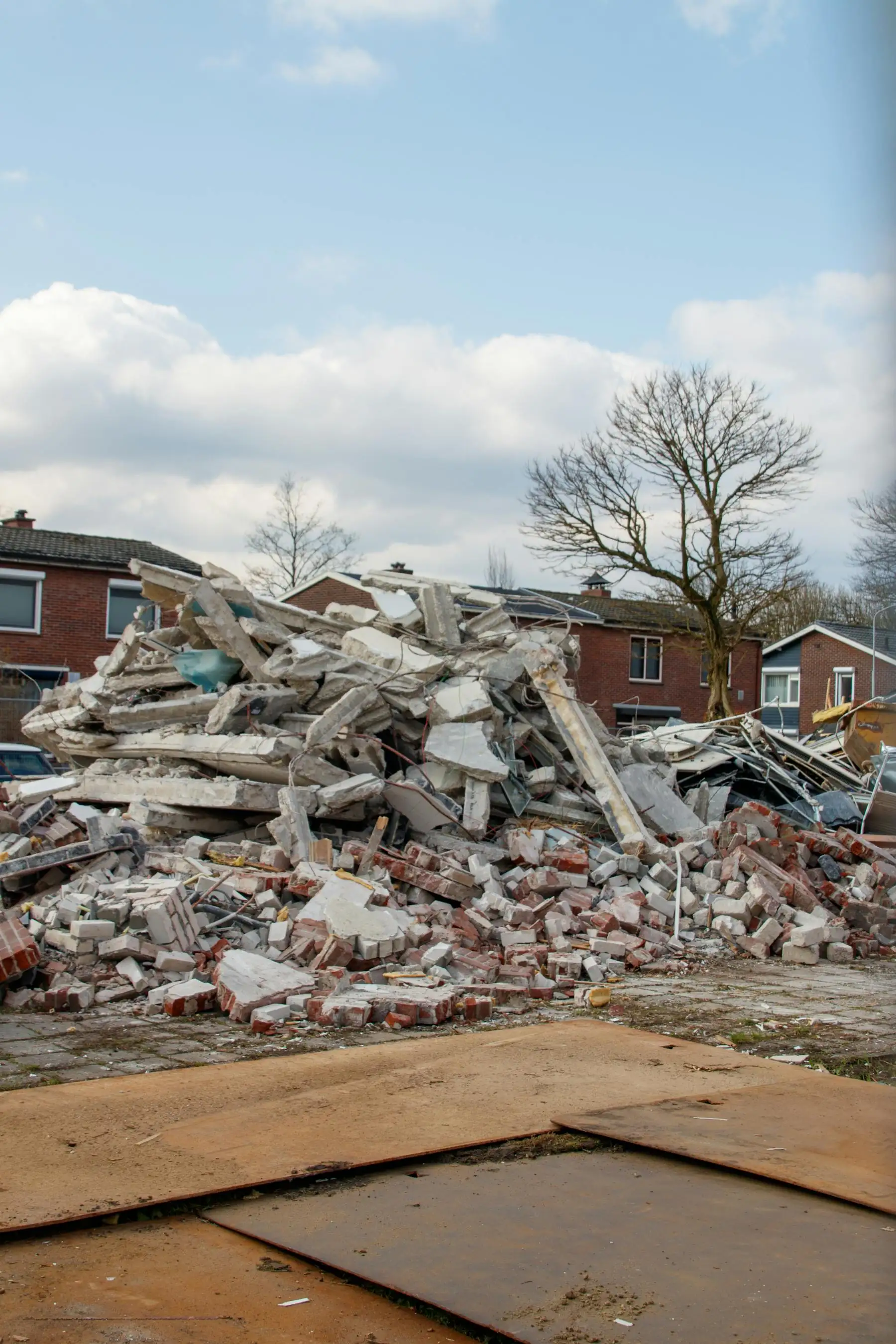
This is the one topic on this site where the advice is simply stop and find out. Asbestos is not a disposal problem you can work around — it is a health and legal matter, and it has to be settled before demolition starts.
Why it matters here
A great deal of the housing stock across Pinellas, Hillsborough and Pasco predates the period when asbestos-containing materials were phased out of residential construction. Renovating an older Clearwater, St. Pete or Tampa home means the possibility is real rather than theoretical.
Undisturbed, most asbestos-containing material is not a hazard. The danger comes from disturbing it — cutting, scraping, sanding, breaking or demolishing — which releases fibers into the air.
Where it typically hides
- **Popcorn and textured ceilings**
- **Vinyl floor tiles**, particularly nine-inch squares, and the black mastic adhesive under them
- **Sheet vinyl flooring** and its backing
- **Pipe insulation and duct wrap**
- **Cement board siding and roofing**, sometimes called transite
- **Roofing felt and some shingles**
- **Joint compound and textured wall finishes**
- **Insulation around old boilers and heaters**
- **Window glazing compound**
What to do
- 1**Assume it may be present** in any home built before the 1980s until tested.
- 2**Do not disturb it.** No scraping, no cutting, no demolition, no dry sweeping.
- 3**Have it tested** by a qualified professional. Testing is inexpensive and fast relative to the cost of getting this wrong.
- 4**If it is negative**, proceed normally.
- 5**If it is positive**, engage a licensed asbestos abatement contractor. This is specialized, regulated work, and it is not a DIY project or a general contractor task.
The mistakes people make
- **Scraping a popcorn ceiling** without testing. This is the single most common way homeowners disturb asbestos, and it distributes fibers throughout a house. Our popcorn ceiling guidance for renovation projects says the same thing: test first.
- **Pulling up old vinyl tile** and the black mastic underneath.
- **Breaking cement siding** during a tear-off rather than removing it intact.
- **Dry sweeping or vacuuming** debris that may contain it, which puts fibers into the air rather than removing them.
- **Assuming a small amount does not matter.**
If you think you have already disturbed it
- Stop work immediately.
- Do not sweep or vacuum with an ordinary vacuum.
- Leave the area and limit access.
- Contact a qualified professional for assessment.
How this affects your project timeline
Testing takes days rather than weeks. Abatement, if needed, adds time and cost but it is a defined process.
The projects that go badly are the ones where nobody asked the question until material was already coming off the wall. Ask it at planning stage, when it is a small line item rather than a crisis.
Other older-home materials worth knowing about
- **Lead paint** in homes painted before the late 1970s. Disturbing it has its own rules, particularly in homes with young children.
- **Old wiring** that is not to current standards.
- **Buried oil tanks** on some older properties.
The rest of the debris
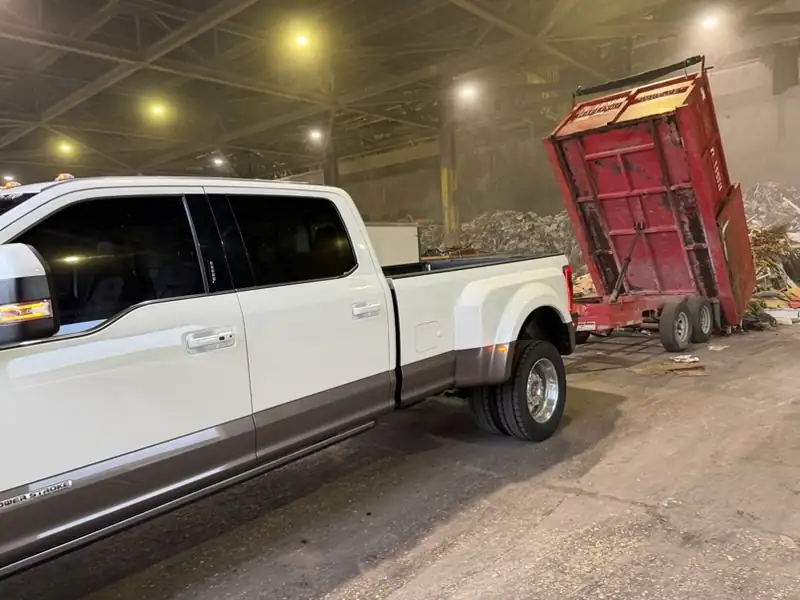
Once the specialized material is properly handled, the ordinary demolition debris is exactly what a dump trailer is for. Call (727) 779-8919 to plan that side of it — and please settle the asbestos question first.
Book a 10-yard dump trailer
Free local delivery, free pickup, and a family-owned crew that shows up when we say we will. Serving Clearwater, Pinellas, Hillsborough and Pasco.