The single most common surprise on a cleanout is that it is bigger than it looked. Rooms hold more than people estimate, and garages hold considerably more.
Estimating honestly
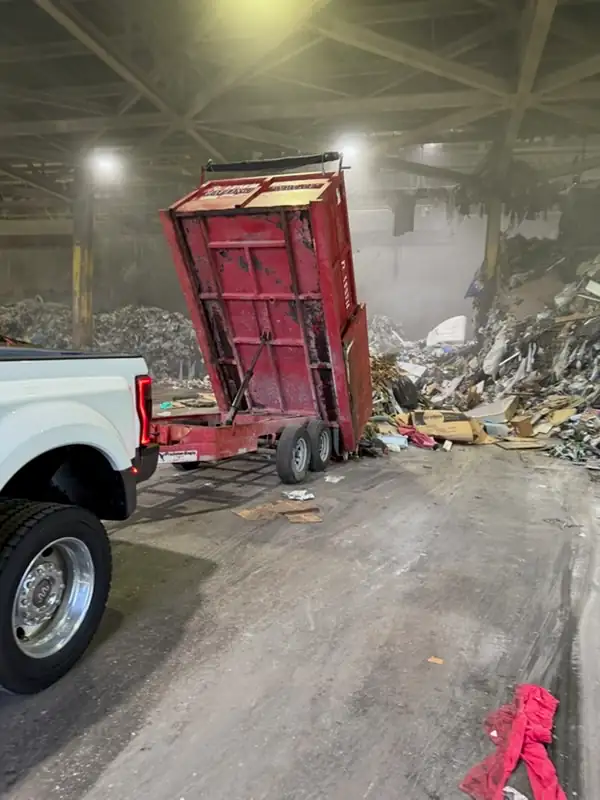
A useful method: walk the job and count in terms of pickup-truck loads, which most people can visualise. Then be aware that a full 10-yard trailer holds roughly three or four of those, depending entirely on the material.
Then apply the weight question. If the material is dense — tile, plaster, concrete, wet anything — the volume estimate is not the binding one and you will need more loads than the space suggests.
Sequencing a multi-load job
- 1Sort before you load. Metal, yard waste and construction debris go to different places and separating them at the start is cheaper.
- 2Load the heaviest material in the first trailer, so the weight-limited load happens while you have room to judge it.
- 3Fill later loads with the bulky light material, which is where volume matters.
- 4Keep hazardous items aside entirely — they do not go in any of the loads.
- 5Stage material in reachable piles rather than one large mound you have to dig into.
Where the savings are
- Breaking everything down before the trailer arrives, so loading time is not rental time
- Sorting scrap metal out, which has value rather than cost
- Having enough hands for the loading window
- Knowing where the heavy material goes before you start
Larger equipment
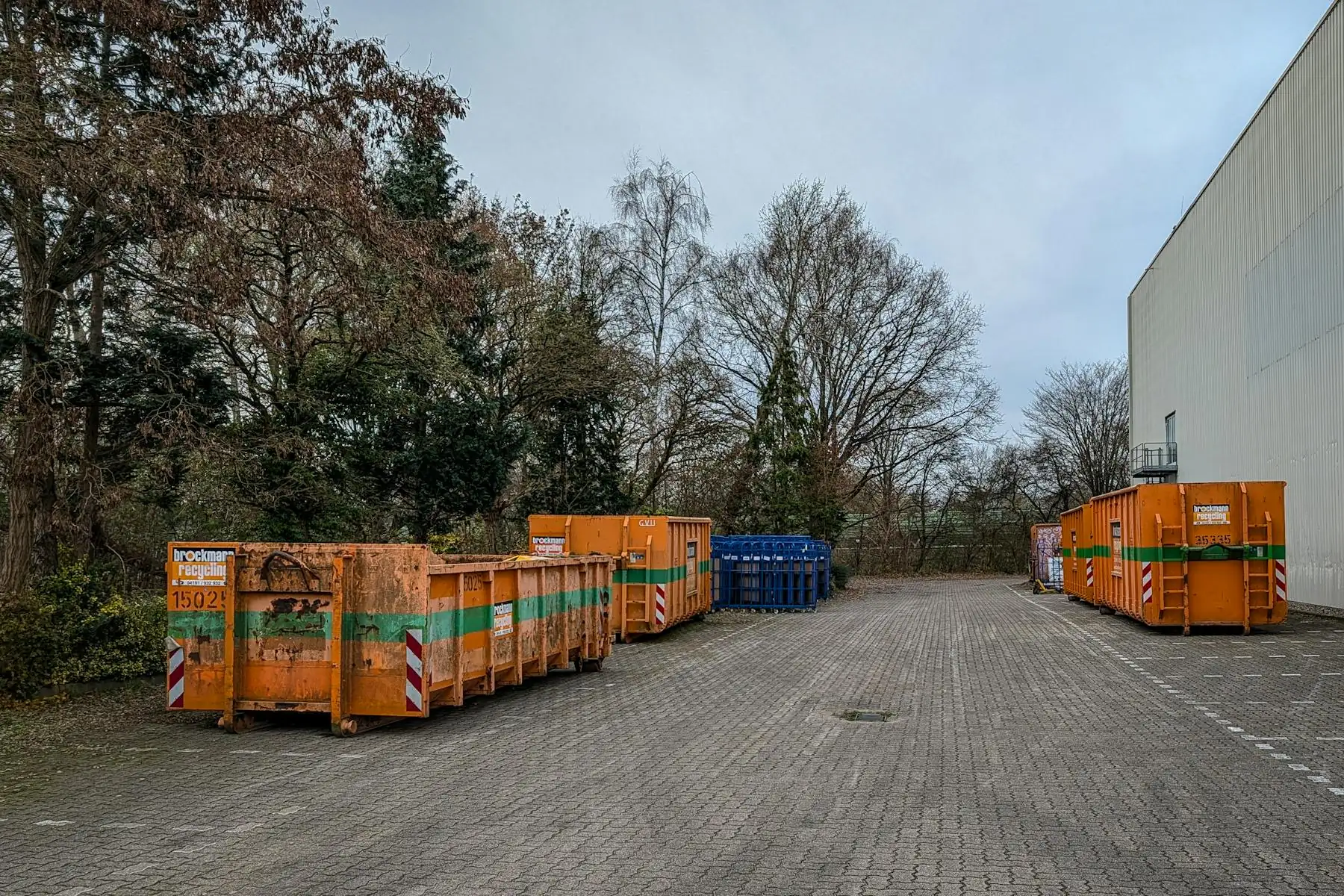
There is a point where a 10-yard trailer is the wrong tool and something larger makes more sense. We will say so. A job that needs five loads of a small trailer is usually better served by a bigger one, and pretending otherwise wastes your time and ours.
Book a 10-yard dump trailer
Free local delivery, free pickup, and a family-owned crew that shows up when we say we will. Serving Clearwater, Pinellas, Hillsborough and Pasco.