It would be easy for us to tell you that ten yards is always the right answer. It is not, and pretending otherwise would waste your time and ours. Some jobs are bigger than one trailer. The useful question is not whether ten yards is big enough in the abstract — it is whether ten yards is right for your job, your driveway and your material.
Here is the honest framework we use, including the cases where the answer is two loads and the cases where a 10-yard trailer beats a bigger container outright.
The volume ladder, in plain numbers
- 10 cubic yards is roughly 270 cubic feet — about four to five level pickup-truck loads.
- 15 cubic yards is roughly 405 cubic feet — about 50 percent more room than a 10.
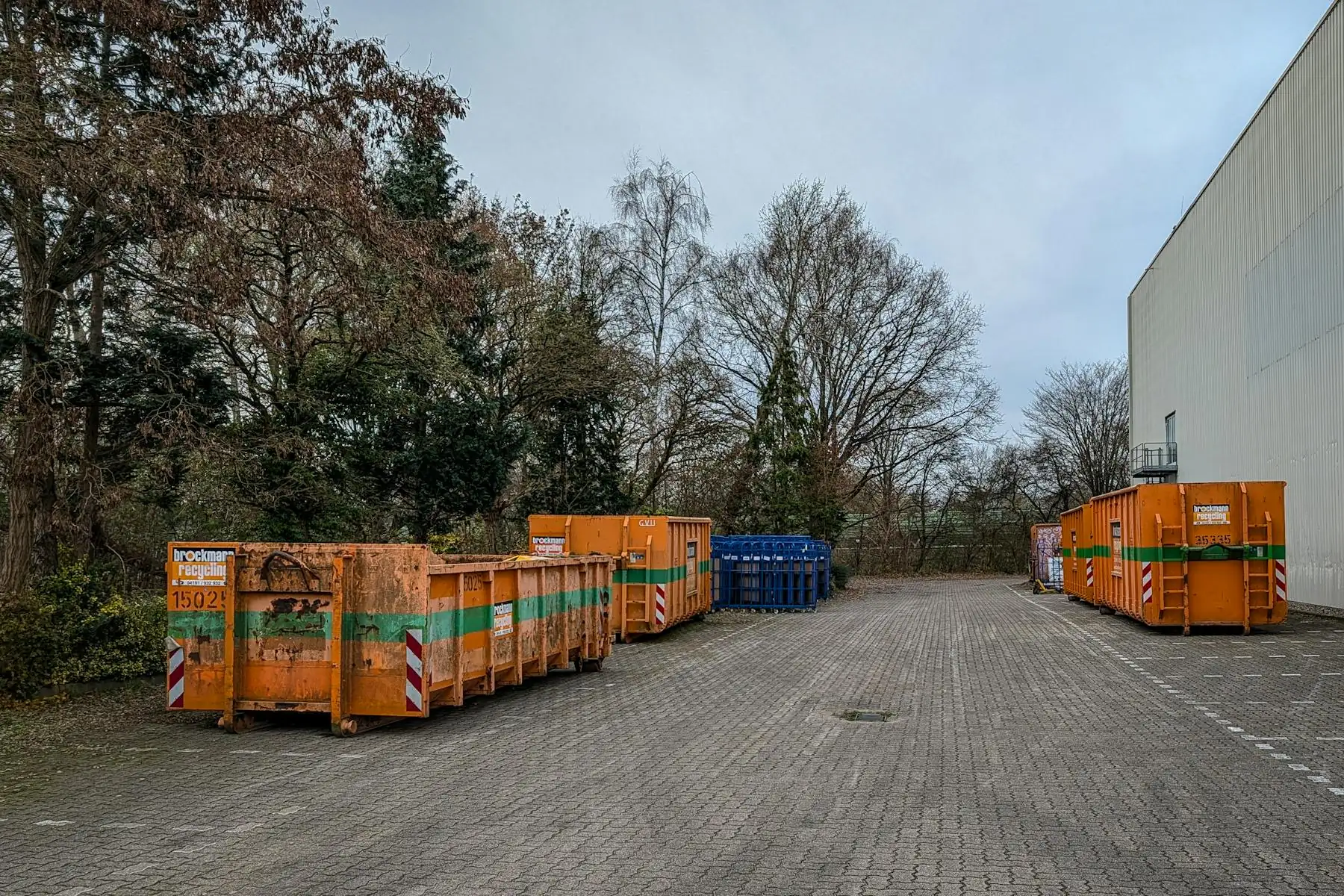
- 20 cubic yards is roughly 540 cubic feet — double a 10-yard, and physically a much larger box that needs much more room to place.
- Two 10-yard loads is 540 cubic feet, exactly the same total volume as one 20-yard container — but delivered in two manageable pieces, on a trailer that actually fits in a Clearwater driveway.
That last line is the one worth sitting with. On volume alone, two trips with a 10-yard trailer and one 20-yard roll-off are the same amount of debris hauled. The difference is not capacity. It is logistics, weight, and whether the container can physically get where you need it.
When 10 yards is comfortably enough
- Single-room remodels — a bathroom, a bedroom, most kitchens.
- Garage or shed cleanouts, even the ones the family is embarrassed about.
- Small to mid-size roof tear-offs, sized by weight rather than volume.
- Fence removal and replacement on a typical residential lot.
- Yard cleanup, brush, palm fronds and post-storm debris.
- Small slab, patio or walkway demo, staying within the heavy-material limit.
- Any job on a tight lot, a narrow driveway, a condo, or a property with an HOA that would come unglued at the sight of a roll-off.
When you should plan on more than one load
- Full-house cleanouts and estate jobs with decades of furniture and belongings.
- Whole-house flooring or drywall replacement, particularly after water intrusion.
- Driveway or pool deck removal — the heavy-material limit of roughly five yards per load makes this multiple loads by definition.
- Large or steep roofs, especially two-layer tear-offs, where weight caps the load well before the box fills.
- Multi-room gut renovations happening all at once rather than in phases.
- Any job where you did the math in our other capacity posts and landed above ten yards. Trust the math. It is not going to shrink overnight.
The reasons people choose a trailer over a bigger box
Volume is only one axis. Around Pinellas County, these usually matter more.
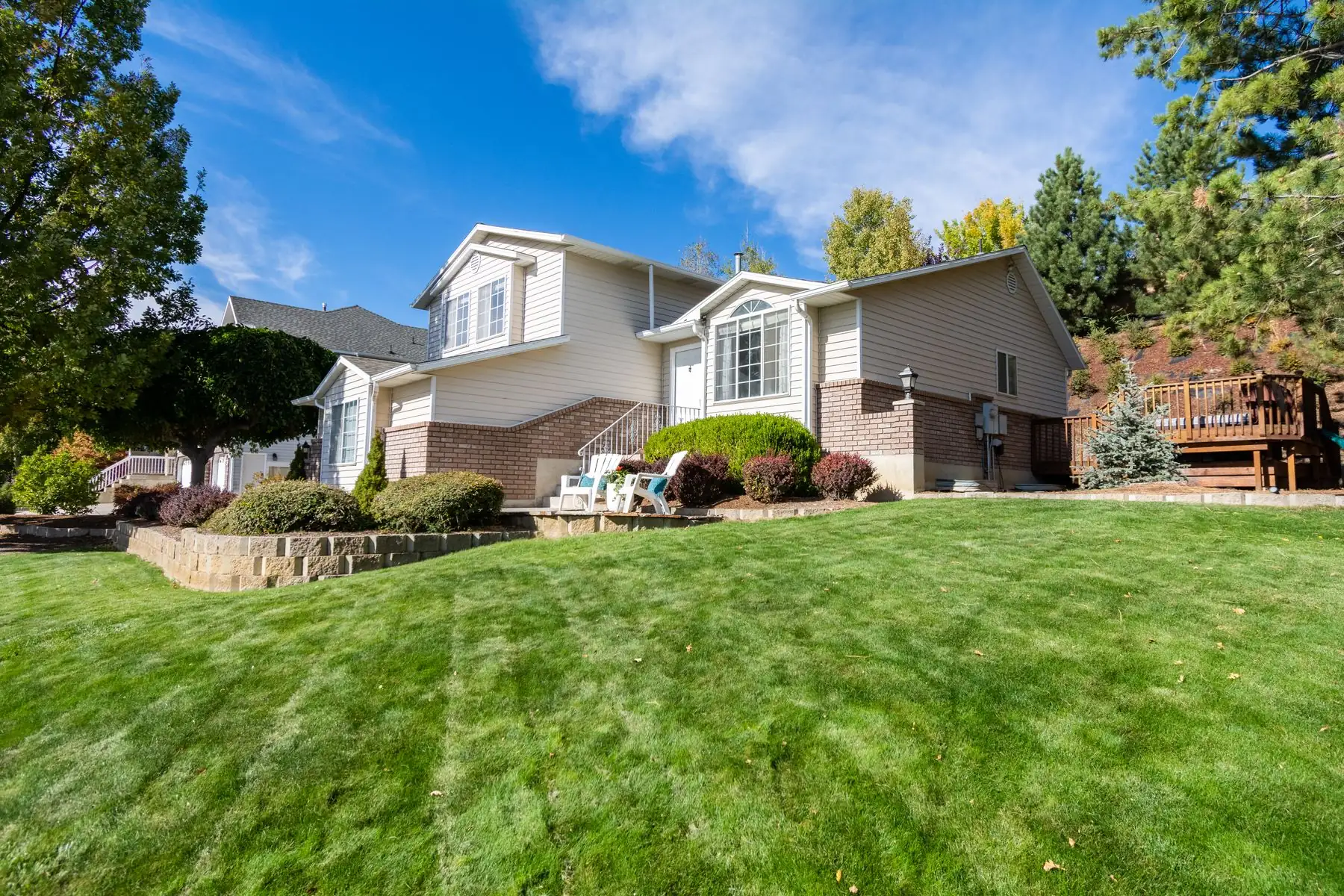
- 1Driveway fit. A 20-yard roll-off is a large steel box that needs serious room and a long straight approach. A dump trailer fits in a normal residential driveway, including the older narrow lots around Dunedin, downtown Clearwater and the St. Petersburg neighborhoods where the driveways were built for 1950s cars.
- 2Your driveway surface. A roll-off gets dragged on and off a truck, and it is not gentle on pavers, decorative concrete or a fresh seal coat. A trailer rolls in on wheels and rolls out on wheels.
- 3Loading height. A dump trailer's sides are lower than a big roll-off's walls. If you are lifting a sofa or hoisting shingles over the side all day, that difference is not cosmetic — it is your back.
- 4It dumps. A dump trailer tilts. That has real workflow advantages on jobs where material is being staged and moved.
- 5HOA and neighborhood tolerance. A trailer in a driveway reads as work in progress. A 20-yard roll-off at the curb reads as an event, and in some Palm Harbor and Safety Harbor neighborhoods it invites a letter.
- 6Weight limits do not care how big the box is. On heavy material, a bigger container does not help you — you still cannot exceed what can legally and safely be hauled. A 20-yard box full of concrete is not a plan, it is a physics violation.
The mistake to avoid: sizing by eyeball
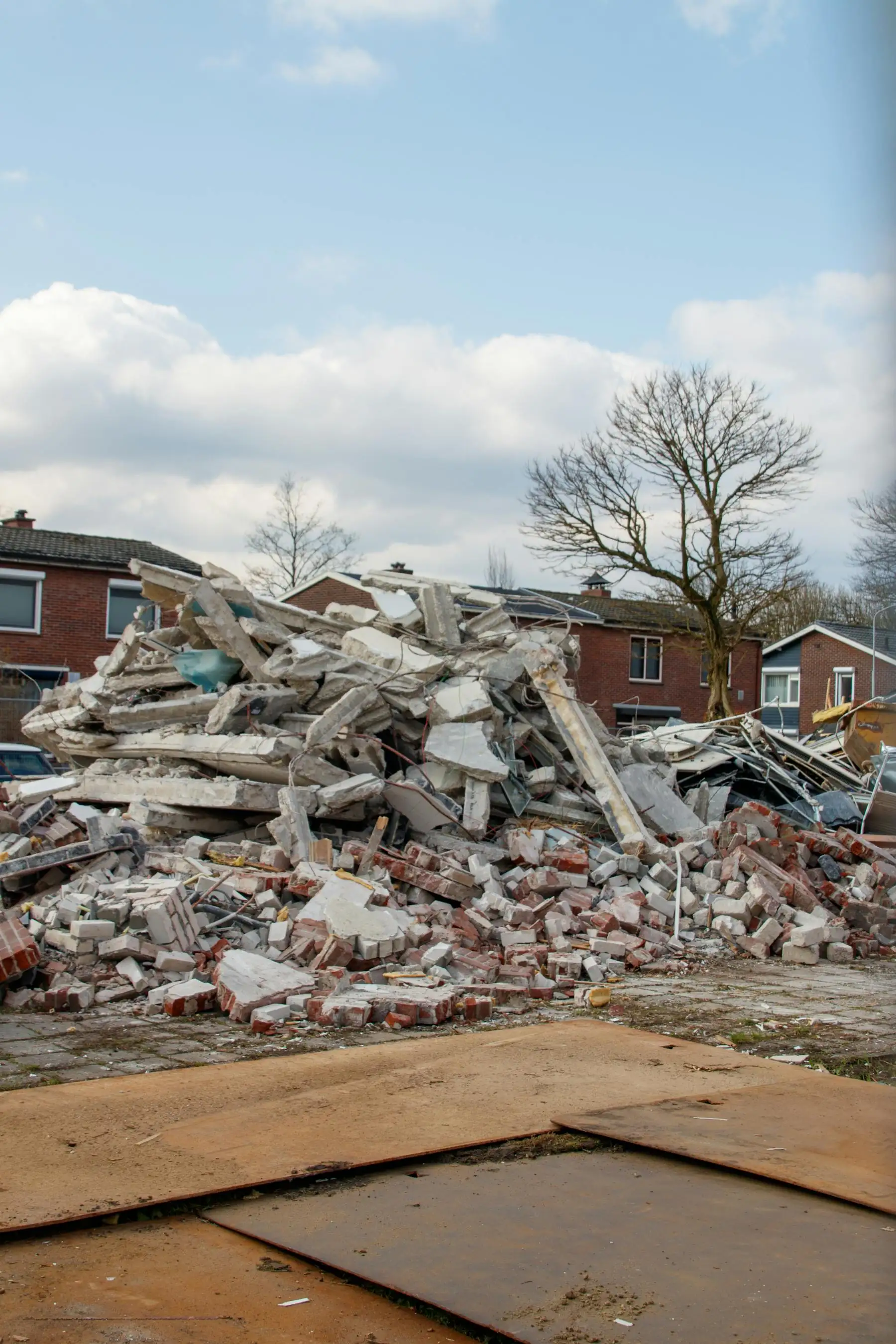
The single most common error we see is someone sizing a job by looking at the pile. Piles lie. A brush pile that fills half a yard looks enormous and weighs nothing. A stack of tile that fits under a card table will approach a tonnage allowance on its own. Broken debris fluffs, wet material gains hundreds of pounds, and hollow furniture takes triple the space it should.
Do it properly instead. Estimate the volume in cubic yards using the methods in our other capacity posts. Estimate the weight, honestly, using the material ranges. Then check both against the ten-yard box, the tonnage allowance included with your rental and the roughly five-yard cap on heavy material. Whichever limit you hit first is the one that decides your load count.
Just call us. Seriously.
We are family-owned and we work Pinellas, Hillsborough and Pasco every week. We have almost certainly hauled a job exactly like yours, from a street near yours. Two minutes describing what you have gets you a better answer than an hour of calculating, because we know what the material actually does once it is loose in a trailer — and because moisture, layers and hidden mortar beds change everything.
If the answer is one load, we will tell you. If the answer is two, we will tell you that too, and we will schedule them so you are not stuck. Reserve your 10-yard dump trailer online at robertlesliehauling.com — a deposit holds your date — or call (727) 779-8919 and let us size the job with you before you spend a dime.
Book a 10-yard dump trailer
Free local delivery, free pickup, and a family-owned crew that shows up when we say we will. Serving Clearwater, Pinellas, Hillsborough and Pasco.