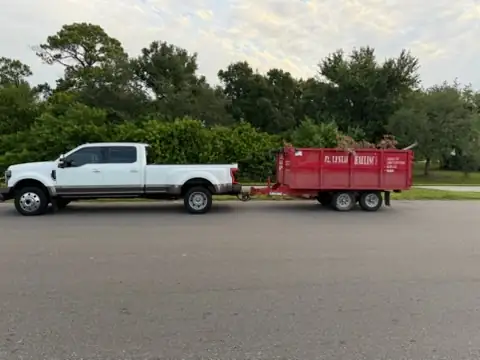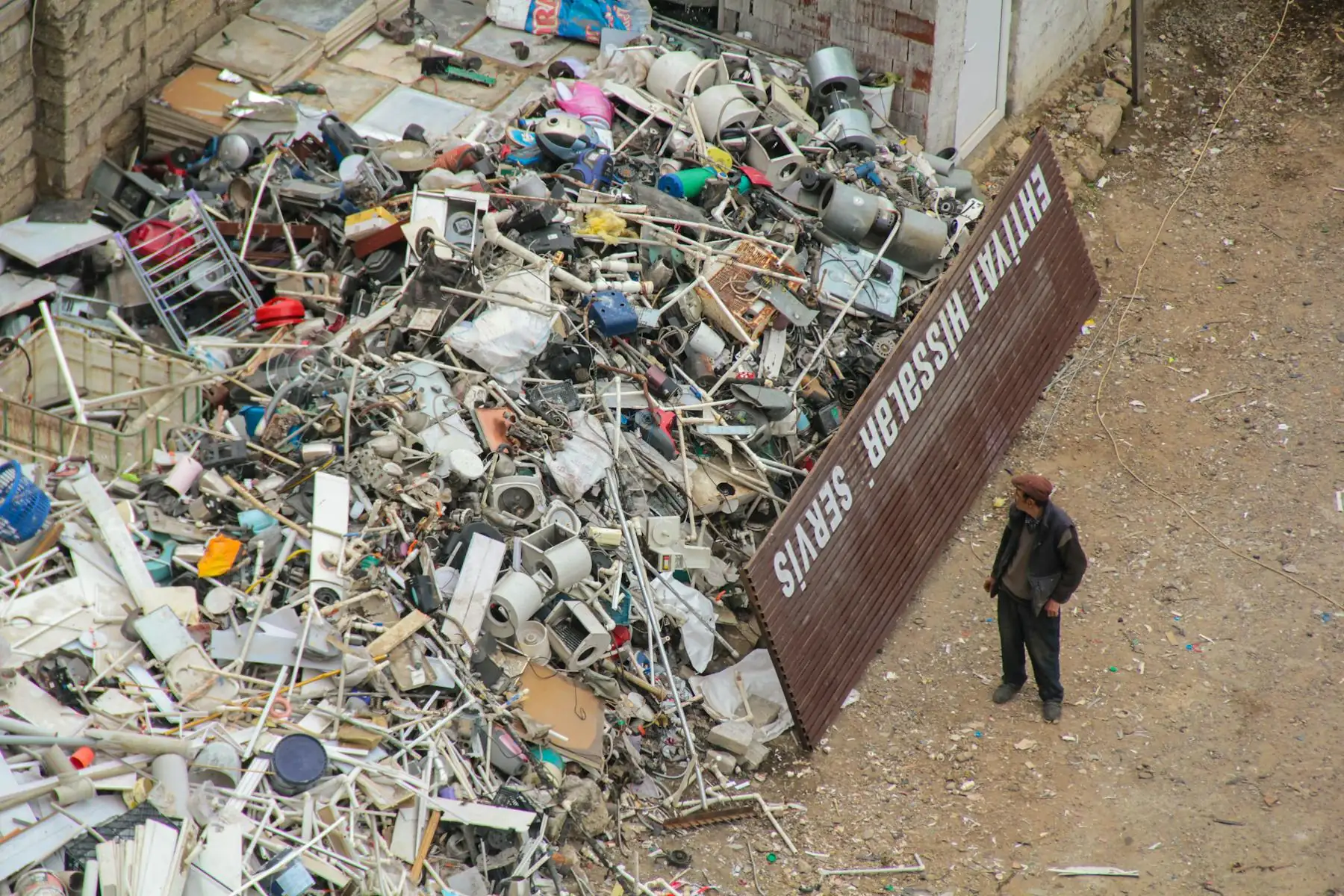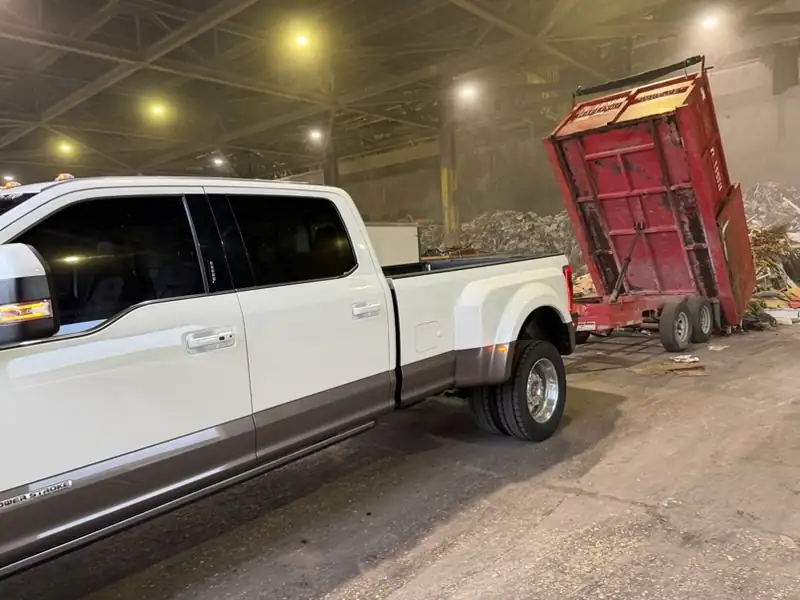
Almost everything that comes out of a Clearwater garage, a Largo bathroom demo, or a Palm Harbor yard cleanup is perfectly fine to load into a 10-yard dump trailer. Drywall, lumber, cabinets, carpet, furniture, fencing, roof shingles, brush, sod, tile, junk from the back of the shed — load it up. The prohibited list is short, and it exists for reasons that are easy to understand once someone explains them.
The problem is that nobody explains them until the trailer is already loaded. Then a single item buried under two tons of debris turns a routine haul into a rejected load at the scale house, and now you are the one digging it back out in July heat. Here is the full list, what happens if it slips in, and where each banned item actually needs to go instead.
The short list of what cannot go in
These categories are not company preferences. They are what the disposal facilities that receive our loads will not accept, which means we cannot accept them either. Every one of them has a legitimate destination somewhere else in Pinellas County.
- Hazardous waste — paint, stains, solvents, thinners, gasoline, motor oil, antifreeze, pesticides, herbicides, pool chemicals, and anything with a corrosive, flammable or toxic warning on the label.
- Asbestos-containing materials — older popcorn ceilings, some vinyl floor tile and mastic, certain pipe wraps and siding. These require testing, proper packaging, documentation and scheduled special handling. They cannot ride loose in a general debris load.
- Biomedical and medical waste — sharps, needles, blood-contaminated materials, red-bag waste.
- Explosives and ammunition — including flares, old fireworks and marine signaling devices, which are more common in a Gulf-coast garage than you would think.
- Compressed gas cylinders — propane tanks (anything over the little 1 lb camping cylinders), oxygen bottles, acetylene, refrigerant cylinders, CO2 tanks. A sealed pressure vessel that gets crushed at a processing facility is a real hazard.
- Liquids and free-flowing liquid waste — buckets of water, half-full paint cans, septic or holding-tank contents, anything that will slosh, leak or drain out of the trailer on the way to the transfer station.
Items that need their own pathway
A second group is not exactly hazardous, but state and federal rules keep them out of a general debris load. They are banned from ordinary landfill disposal, so they get pulled and sent to dedicated recyclers instead.
- Whole tires — Florida keeps whole tires out of landfills. They go to a tire recycler or a shop that accepts them.
- Lead-acid batteries — car, truck, boat and lawn tractor batteries. Any retailer that sells batteries will generally take an old one back for recycling.
- Appliances containing refrigerant — refrigerators, freezers, window and portable A/C units, dehumidifiers, some water coolers. The refrigerant has to be recovered by a certified technician before the metal shell can be scrapped.
- Electronics — TVs, monitors, computers. Many contain heavy metals and belong in an e-waste stream.
Where the banned stuff actually goes in Pinellas
None of these items are your problem to solve alone. Pinellas County operates a household hazardous waste collection program for residents, and it is the correct destination for the paint, solvents, pesticides, pool chemicals and automotive fluids that come out of nearly every garage cleanout in Clearwater, Dunedin and Safety Harbor. Check the county's current drop-off locations, hours and residency requirements before you load the car — hours change, and some materials have quantity limits per visit.
For the rest, use the stream built for it. Tires go to a tire retailer or recycler. Lead-acid batteries go back to a parts store or a scrap yard. A propane tank goes back to an exchange cage or a supplier. Refrigerant appliances need a certified recovery before scrapping, and scrap yards around the county will typically handle that as part of intake. Electronics go to an e-waste event or a county-designated site. If you are a contractor rather than a homeowner, be aware that the household program is for residents — commercial quantities of hazardous waste have their own disposal channels and their own paperwork.
What about asbestos?
This is the one that catches people renovating older Pinellas housing stock. Homes built before the early 1980s can contain asbestos in popcorn ceiling texture, floor tile and the black mastic under it, duct wrap, and some siding and roofing products. Asbestos is only dangerous when it becomes airborne, which is exactly what happens when you scrape, sand or bust it out and toss it in a trailer.
- 1If the house is older and you are about to disturb a suspect material, get it tested before you swing the hammer. A lab test is far cheaper than an abatement after the fact.
- 2If it tests positive, the material must be handled by a qualified abatement contractor, properly packaged and documented, and scheduled with a facility set up to receive it.
- 3It cannot be mixed into a general debris load — not bagged, not buried in the middle, not "just a couple of pieces."
Everything else: load away
It is worth restating how much a 10-yard trailer will take, because the prohibited list can make renters overly cautious. Household junk, furniture, mattresses, carpet and pad, drywall, framing lumber, plywood, doors, windows, kitchen cabinets and countertops, bathroom fixtures, fencing, decking, shingles, gutters, tree limbs, palm fronds, brush and sod are all standard debris. Heavy material — concrete, brick, block, dirt, rock, roof tile — is fine too, but it is limited to roughly five yards per load because weight, not volume, is the constraint on a trailer that has to be legally and safely towed down Gulf-to-Bay.
If you are not sure about something in your pile, ask before it goes in. We do this every day across Pinellas, Hillsborough and Pasco, and a two-minute phone call is a lot cheaper than a rejected load. When you are ready, book your 10-yard dump trailer online at robertlesliehauling.com or call us at (727) 779-8919 and we will get it to your driveway.
Book a 10-yard dump trailer
Free local delivery, free pickup, and a family-owned crew that shows up when we say we will. Serving Clearwater, Pinellas, Hillsborough and Pasco.