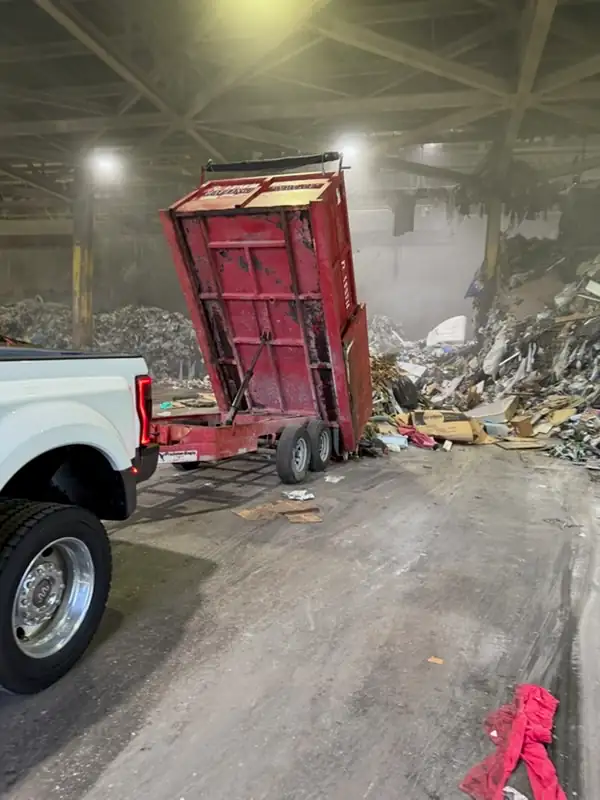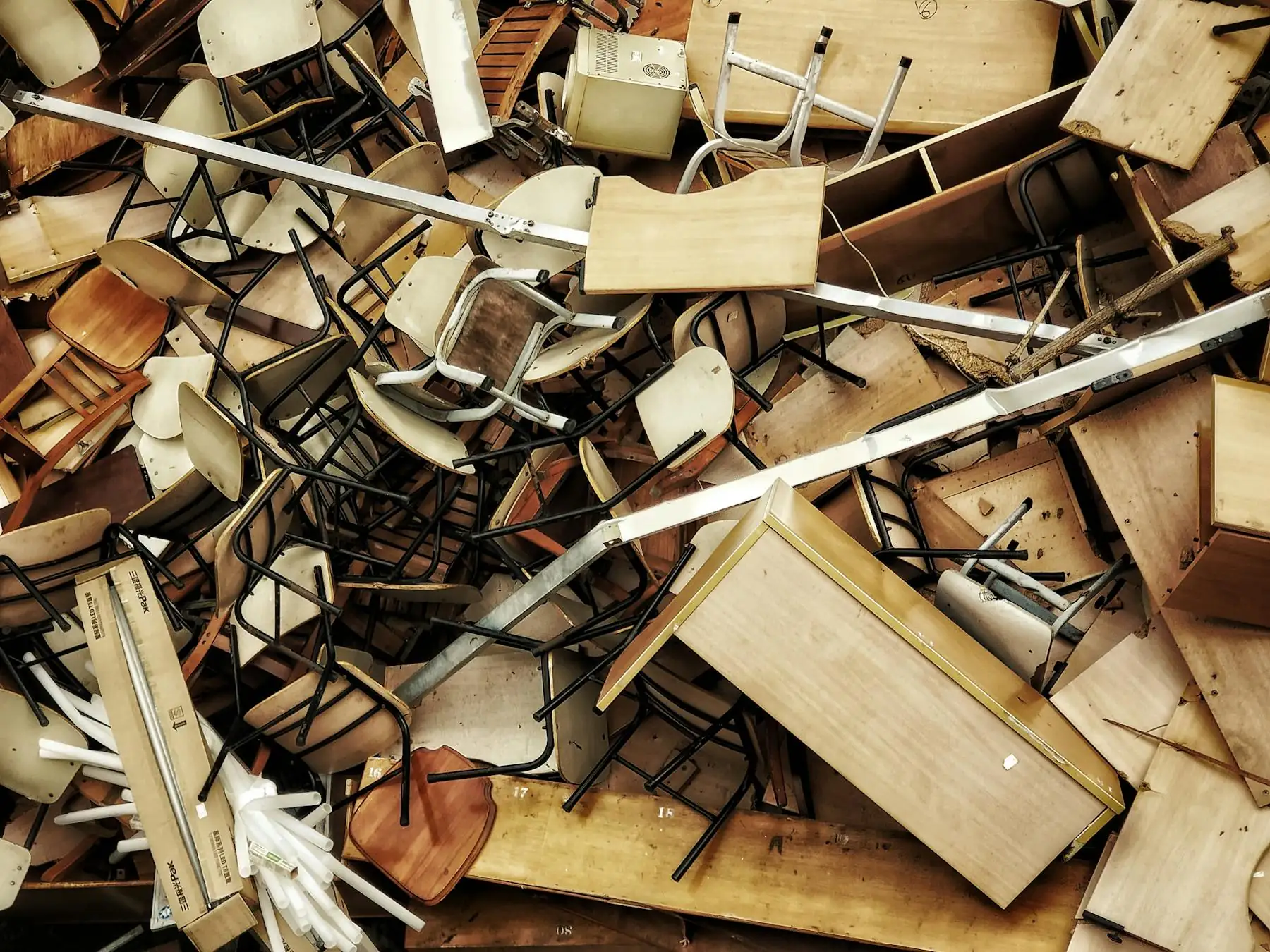
People radically underestimate remodel debris, and it is not because they are careless. It is because a kitchen looks small. It is one room. How much can come out of one room? The answer is that a single mid-size kitchen demo will produce a mix of the bulkiest and the heaviest material you will ever put in a trailer, at the same time, and the two do not play well together.
This is a debris plan for a homeowner or small contractor doing a kitchen or bath remodel in Clearwater, Dunedin, Safety Harbor or anywhere else in the county. What actually comes out, what it weighs, how to sequence the demo, and how to keep the job from stalling because the trailer is full and the tile has not come up yet.
The two halves of remodel debris
Everything from a kitchen or bath demo falls into one of two buckets, and mixing them badly is how loads go wrong.
Bulky and light
- Cabinet boxes, which eat volume fast and weigh almost nothing once they are off the wall
- Cabinet doors, drawers and shelving
- Drywall from the walls you opened up, which is bulkier than it is heavy but is not nothing
- Laminate countertop, hollow-core doors, trim and baseboards
- Packaging from the new material going in, which people forget entirely: appliance boxes, cabinet crates, tile pallets, cardboard, foam and plastic. This is a real volume of debris and it arrives after the demo is done
Dense and heavy
- Stone, quartz or solid-surface countertop, which is brutally heavy for its size and is the single most underestimated item in a kitchen
- Floor tile plus the thinset and any mud bed under it. Tile and thinset are extremely heavy, and old mud-set tile floors in mid-century Pinellas homes are heavier still
- Wall tile in a bathroom, plus the backer board or old mortar bed behind it
- An old cast-iron tub, which is a two-person lift at absolute best and often a cut-it-in-place job
- Cast-iron drain lines, old galvanized supply pipe, and a cast-iron sink you thought was steel
A 10-yard dump trailer has plenty of volume for a single kitchen. What it does not have is unlimited weight. Every rental comes with a set tonnage allowance, with overage billed per ton, so the goal is to never let the heavy half of that list ride around uselessly under a mountain of empty cabinet boxes.
Sequence the demo around the weight, not the room
The instinct is to demo the room in the order it is convenient, which usually means countertops off, cabinets out, then floor. The problem is that the cabinets fill the trailer with air, and then the tile has nowhere to go.
- 1Shut off water, gas and power to the room and cap everything before a single thing gets swung. This is not the exciting part and it is the part that floods a house.
- 2Pull the countertop first and load it straight into the trailer, low and spread across the floor of the bed. Stone goes on the floor of the trailer, near the axles, not on top of anything.
- 3Take up the floor tile and thinset next, while the trailer is still mostly empty and you can distribute the weight. This is the heaviest sustained load of the job and it deserves the good real estate.
- 4Then pull cabinets and drywall. This is your bulk, and it fills the volume above the heavy material without adding much weight. Break down cabinet boxes rather than throwing them in intact, because an intact cabinet is mostly air.
- 5Save the cast-iron tub for a moment when you have two people and a plan. In a tight Florida bathroom, it often comes out in pieces rather than through the door.
- 6Load packaging debris from the new materials as it appears, rather than letting it stack up in the garage. If your trailer is already gone, that cardboard becomes a second problem.
Where remodel debris plans go wrong
- Filling the trailer with cabinets on day one, then discovering the tile floor is mud-set and having nowhere to put it
- Forgetting the incoming packaging entirely. New cabinets, appliances and tile arrive with a startling amount of crate, cardboard and foam, and it shows up after your trailer left
- Mounding the load above the top rail. It has to sit level so it can be tarped for the road, so anything mounded is coming back off
- Piling demo on the lawn to sort later. It gets handled twice, it kills the grass, and a Gulf Coast afternoon storm turns it into a soaked, much heavier pile
- Not accounting for the tub. It is the one item that stops a demo day dead when nobody planned for it
The things that cannot go in the trailer
Remodels in older homes turn up a specific short list, and it is worth knowing before you swing:
- Asbestos. Older vinyl floor tile, the black cutback adhesive under it, and old pipe insulation can all contain it. If the home is old enough that you are wondering, stop and get it tested before you disturb anything. It cannot go in the trailer and it should not be dry-scraped by anyone without the right training
- Liquids, including leftover paint, adhesive, solvent and thinset that is still wet in the bucket
- Compressed gas cylinders and any hazardous or biomedical waste
- Old refrigerants. Appliances with sealed refrigerant systems are handled separately from general debris, so ask before you load the old fridge
Timing the trailer so the job does not stall
For most single-room remodels, one trailer parked for the demo phase covers it. For a full kitchen plus a bath, or a kitchen with a heavy tile floor, plan on either a swap or a second load, and think about when it happens. Demo debris sitting in a trailer parked in your driveway is not slowing your remodel down. Demo debris sitting on your lawn because the trailer went out full is.
Delivery and pickup are free within our local radius across Pinellas, Hillsborough and Pasco, so scheduling around your demo days is straightforward. Book your trailer at robertlesliehauling.com or call (727) 779-8919 and tell us what is coming out, especially the tile and the countertops, and we will help you plan the loads before the first cabinet comes off the wall.
Book a 10-yard dump trailer
Free local delivery, free pickup, and a family-owned crew that shows up when we say we will. Serving Clearwater, Pinellas, Hillsborough and Pasco.